
5 Evidence-Based Sleep Fixes, Ranked by How Fast They Work
⚡ TL;DR
Start with enough sleep and a regular schedule. A calculator cannot identify whether an alarm interrupts deep sleep. Bedroom comfort, caffeine timing and a wind-down routine also matter.
Sufficient sleep opportunity, regular timing and a suitable environment are the practical starting points. No clock formula predicts the cause of morning tiredness.
🎯 5 Fixes for Better Sleep (Priority Order)
- #1 → Allow sufficient sleep before your alarm
- #2 → Keep a consistent schedule (±30 min daily)
- #3 → Optimize bedroom (cool, dark, quiet)
- #4 → Manage caffeine + alcohol timing
- #5 → Create a wind-down routine
Based on sleep research. Prioritize sufficient duration and regularity.
Start with #1 tonight. Use the sleep cycle calculator to find your ideal wake-up time.
1. Fix #1: Align Your Alarm with Sleep Cycles
Sleep stages and cycle lengths vary. Ninety-minute planning blocks do not identify light-sleep windows or prevent sleep inertia.
Eight hours is a valid adult sleep duration. It is not inferior to 7.5 because it is not a multiple of 90 minutes.
Compare sufficient sleep durations using the sleep calculator. Do not shorten enough sleep solely for cycle alignment.
A small timing change does not guarantee better mornings. Judge sufficient sleep and regular habits over time.
2. Fix #2: Keep a Consistent Schedule
Your circadian rhythm runs on a 24-hour clock synchronized by light and consistent timing. When you go to bed at 10:30 PM on weeknights and 1 AM on weekends, you give yourself jet lag every week.
Keep your bedtime and wake time within a 30-minute window every day — including weekends. Within two weeks, your body starts waking naturally before the alarm. Your mornings stop being a fight.
If you feel you need extra sleep on weekends, that's a sign of weeknight sleep debt. The fix isn't sleeping in — it's going to bed earlier.
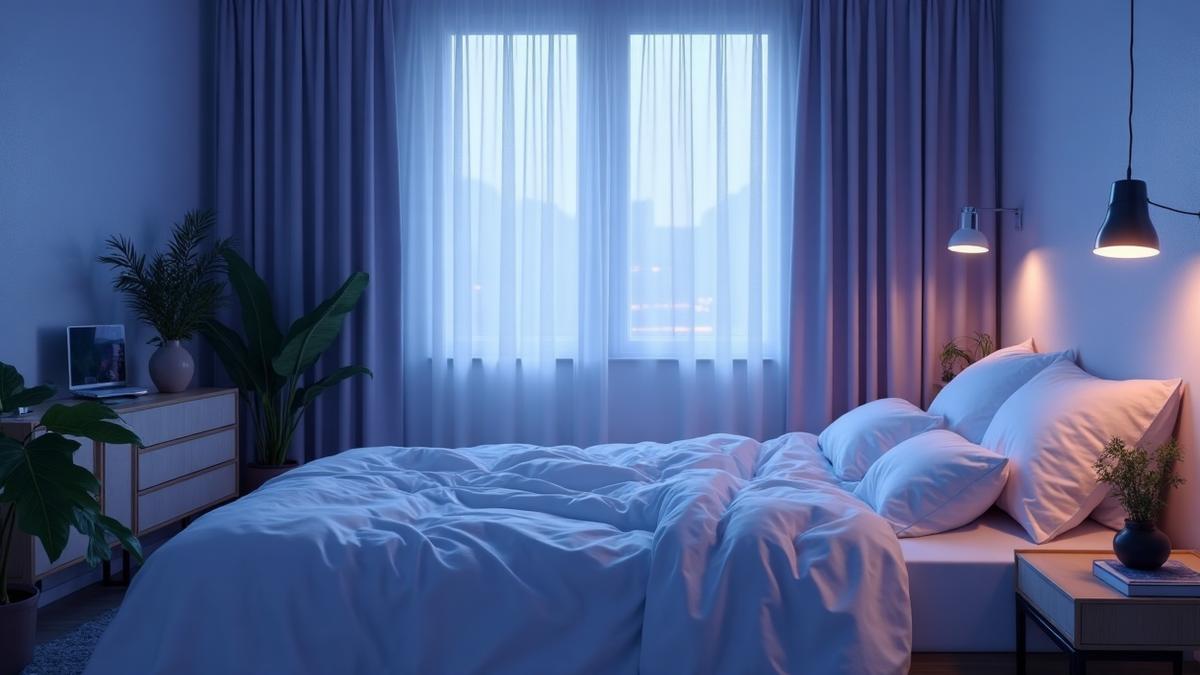
3. Fix #3: Optimize Your Bedroom
Three environmental factors directly affect how well you cycle through all four sleep stages:
Temperature: Your core body temperature needs to drop ~1°C to initiate sleep. Keep your bedroom at 65–68°F (18–20°C). Above 70°F, deep sleep suffers.
Light: Even small amounts of ambient light — charging indicators, streetlights, hallway glow — suppress melatonin and fragment sleep. Use blackout curtains. Cover all light sources. Your room should be completely dark.
Sound: Sudden, intermittent noises (barking dogs, car alarms) are the problem — not steady background sound. A fan or white noise machine provides a sound floor that absorbs disruptions.
4. Fix #4: Manage What You Consume
Three substances have an outsized effect on sleep quality.
Caffeine. Half-life of 5–6 hours. A coffee at 2 PM still has half its stimulant effect at 8 PM. You might fall asleep, but sleep depth and cycle efficiency drop. Cut caffeine by noon.
Alcohol. It sedates you — which feels like it helps — but it suppresses REM sleep in the first half of the night and fragments the second half. You can sleep 8 hours after drinking and feel like you slept 4. Finish drinking 3+ hours before bed.
Heavy meals. Digestion competes with sleep processes. A light snack is fine, but a full meal within 2 hours of bed leads to restless, fragmented nights.

5. Fix #5: Create a Wind-Down Routine
Sleep isn't a light switch. Your brain needs 30 to 60 minutes to transition from engagement to sleep readiness.
Effective routines share three traits: they're consistent (same activities, same order, every night), they're calm (no intense conversations, news, or work), and they avoid screens (blue light + mental stimulation delay sleep onset).
Good options: reading a physical book, gentle stretching, a warm bath (the cooling afterward triggers sleepiness), journaling, or calm music. The specific activities matter less than consistency.
6. Start With the Biggest Win
If you change one thing, protect enough time for sleep. The duration calculator separates time in bed from estimated sleep.
A sufficient, regular sleep opportunity is a useful starting point. A model-aligned alarm does not guarantee immediate improvements.
Want to understand more about duration vs. timing? Read how much sleep you actually need and why the answer is more nuanced than a single number. Or check out why 8 hours doesn't always work.
Still struggling? See why you can't fall asleep, why you wake up tired, or why you wake in the middle of the night for targeted fixes.
Try it with your own times
Sleep Schedule Planner
A weekly bedtime plan from your wake-up time.
Open the Sleep Schedule PlannerEducational content only — not medical advice. Tool results are planning estimates, not measurements of your sleep.
❓ Frequently Asked Questions
What's the ideal bedroom temperature for sleep?
65–68°F (18–20°C). Your body needs to cool down to initiate sleep. A slightly cool room helps this natural process.
How long before bed should I stop using screens?
At least 1 hour. Blue light suppresses melatonin, but the mental stimulation from content is equally disruptive. Enable night mode if you can't avoid screens.
Does exercise help sleep?
Yes — morning or afternoon exercise significantly improves sleep quality. Avoid intense exercise within 2–3 hours of bedtime.
📚 Based on peer-reviewed sleep research. Educational content only — not medical advice.


